Museum for Art in Wood presents ‘Out of Place: The Windgate Arts Residency Program in Wood 2026 Museum for Art in Wood
The Museum’s annual summer exhibition represents the culmination of the Windgate Wood Arts Residency Program (WARP-Wood), a two-month arts residency program. In this exhibition, the resident Fellows present work created during the residency.
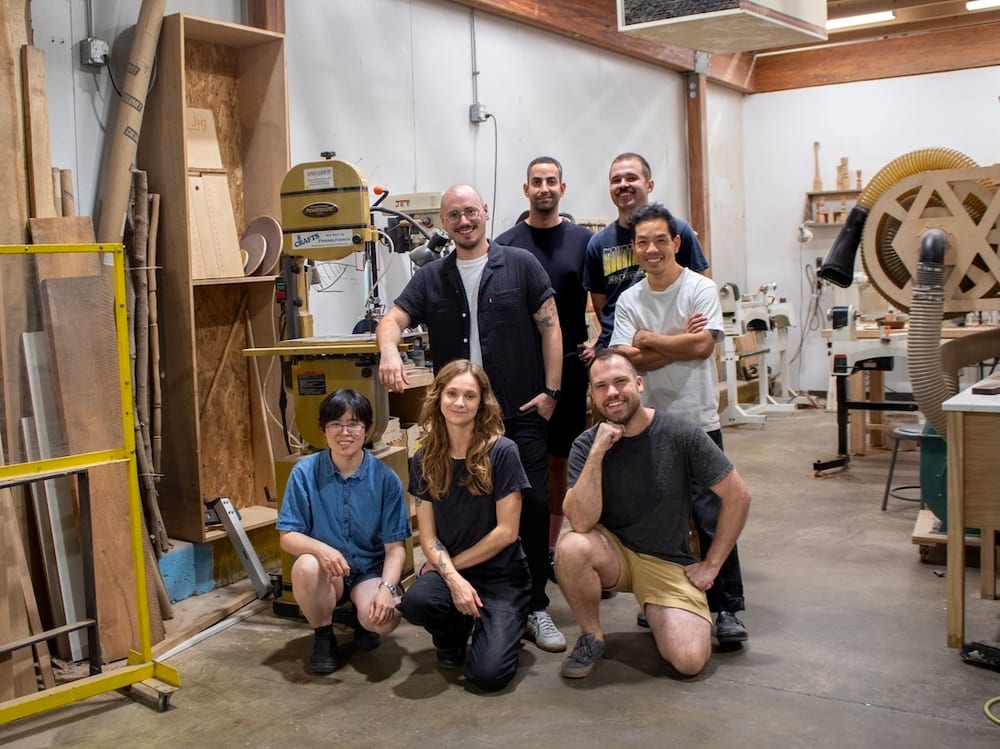
On August 7, the Museum for Art in Wood (141 N. 3rd Street, Philadelphia, PA, 19106) presents the opening of Out of Place, an exhibition of new work created by the Resident Fellows of the 2026 Windgate Arts Residency Program in Wood (WARP Wood). Each year, the Museum assembles a select cohort of artists for a two-month residency, where they live and work in Philadelphia as a collaborative unit at NextFab’s studios. The culmination of the Resident Fellows’ work in Out of Place reflects their creative journey, featuring both individual and collaborative pieces, including works made before and during the program. The 2026 WARP Wood exhibition is on display in the Museum’s gallery from August 7 to October 25.
WARP Wood is a highly regarded international residency supporting artistic exploration in wood. Now in its 29th year, the two-month residency brings together a select cohort to live and work in a collaborative environment. The transformative experience for the selected artists, documentarians, and scholars is rooted in creativity, research, and the exchange of ideas.
Together, the Resident Fellows’ work in Out of Place explores a central question: what happens when something, or someone, is removed from where we expect it to belong? Through sculpture, furniture, installation, and transformed functional objects, the artists examine belonging, identity, memory, labor, and the ways familiar materials and everyday objects can take on entirely new meaning.
Canadian sculptor Mark Tan offers the exhibition’s most overtly political perspective, asking who has the authority to determine who belongs. His new basin installation references colonial hygiene systems in the Philippines, where cleanliness became a tool for constructing racial difference and defining who was considered “clean,” “healthy,” and “civilized.” In contrast, Austin-based sculptor Adam Atkinson turns inward, drawing on his experience growing up queer in a strict Mormon household to create an autobiographical bust and wearable sculptures that challenge traditional notions of masculinity while blurring the boundaries between body, ornament, and identity.
Questions of transformation continue in the work of sculptural furniture designer Joyce Lin, whose meticulously crafted red oak tree gradually reveals itself as a functional coat rack. Using fabric, epoxy, steel, and paint to recreate bark and leaves, Lin dissolves the boundary between nature and artifice while embracing cycles of growth, decay, and renewal. Phoenix-based interdisciplinary artist Liza Stout similarly reimagines familiar domestic forms through a monumental wooden basket inspired by a historic Shaker laundry crate designed for two sisters to carry together. Accompanied by photographs of the artist activating the sculpture alongside her sister, the work transforms an ordinary household object into a meditation on shared labor, care, kinship, and the often-overlooked histories embedded in domestic work.
Themes of uncertainty and refuge emerge in the work of Israeli multidisciplinary artist Niv Tishbi, whose sculptures examine how conflict reshapes everyday life. A crimson bath occupied by a reclining figure shifts between comfort and danger, while additional works use the wood’s natural grain to evoke fear, resilience, and fleeting moments of calm amid periods of unrest. Serving as the Artist and Documentary Fellow, Minneapolis-based sculptor and filmmaker Anders Nienstaedt closes the exhibition with works that explore architecture, design, and the promise of utopia. Towering stacks of carved wooden elements evoke birdhouses, fortifications, and shelters, inviting visitors to consider places of protection that remain just out of reach and to question how the systems and structures we build shape our understanding of purpose and belonging.
Midway through the residency, Daniel Fountain, PhD, Senior Lecturer and Director of Postgraduate Research in Art History and Visual Culture at the University of Exeter, joined the cohort as the Scholar Fellow. During his week-long residency, Fountain conducted interviews with each Artist Fellow, participated in discussions, and developed the exhibition essay that frames Out of Place. His work positions the artists’ individual practices within broader conversations about belonging, displacement, material transformation, and the many ways people and objects can exist “out of place.”
The opening reception of Out of Place takes place on Friday, August 7, from 5:30 to 8 p.m., featuring a Resident Fellow-led tour of the exhibition beginning at 6 p.m. Accompanied by photographs, essays, and documentary materials, the exhibition offers an intimate look at the evolution of each artist’s practice during the residency.
“The Museum for Art in Wood is proud to welcome an exceptional cohort of artists whose work reflects the expansive possibilities of wood,” said Jennifer-Navva Milliken, the Museum’s Executive Director and Chief Curator. “This year’s residents span practices from sculpture and furniture to performance and social engagement. During their time in Philadelphia, they deepened their work while building meaningful connections. Now in its 29th year, the Windgate Arts Residency Program in Wood remains a career-defining experience, fostering new ideas, ambitious work, and lasting artistic relationships.”
Every year since 1995, the Museum for Art in Wood has awarded the prestigious and sought-after fellowships to a cohort consisting of artists, a student artist, a documentary artist, and a scholar. For its 2025 and 2026 residency sessions, the Museum received a record-breaking number of applications, with a greater international response than ever before.
The WARP Wood fellows live and work in Philadelphia, with studio facilities at NextFab (1800 N. American Street), a state-of-the-art, membership-based makerspace. In addition to studio work, fellows will participate in a range of activities that connect them with Philadelphia’s vibrant art community, including artist visits, museum tours, and meetings with local artists and collectors. The Museum also shared blog posts on its website that tracked the fellows’ progress and experiences in real time in the weeks leading up to the final exhibition.
Since its inception in 1995, the Windgate Arts Residency Program in Wood has hosted more than 160 artists from around the world. Alumni include prominent figures such as curator and historian Glenn Adamson, Wisconsin-based woodworking artist Katie Hudnall, California-based cabinet-maker and artist Terry Holzgreen, Korean sculptor Cha Jong-Rye, Japanese artist Maiko Sugano, San Francisco-based curator and artist Deidre Visser, and Ghanaian fantasy coffin carpenter Eric Adjetey Anang. The program continues to elevate and expand the possibilities of wood as a medium through innovation, community, and cross-disciplinary exchange. For more information, visit www.museumforartinwood.org.