Featured Member: Sam Shippee — Smallgoods Design Studio
TFS member Sam Shippee recently participated in the Fall Field + Supply market, held each October at the Hutton Brickyards in Kingston, NY. Earlier this year, Sam received a scholarship to attend FS25 in Syracuse, and his creative energy continues to shine through his work as a furniture maker and woodturner based in Pine Plains, NY.
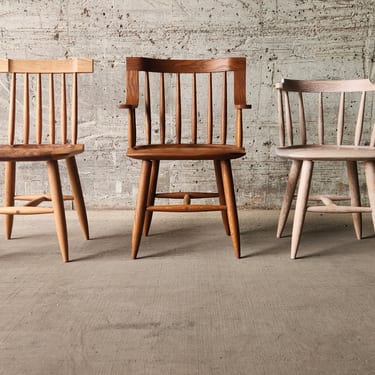
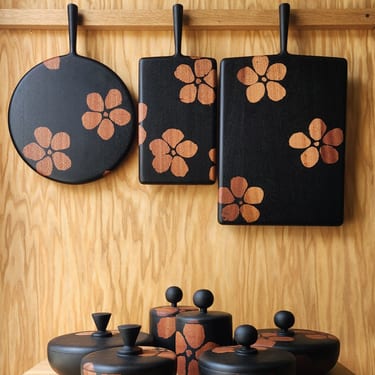
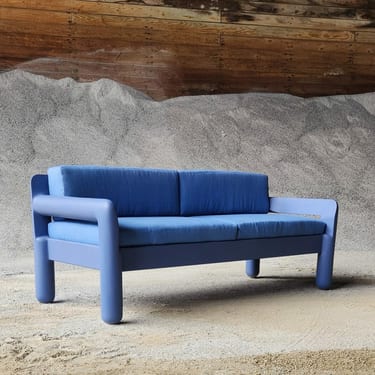
Founded in 2014 by designer Brad Ford, Field + Supply reimagines the traditional craft fair through a modern lens — featuring a curated mix of makers and studios that celebrate craftsmanship, design, and materials. The event, now held twice a year (spring and fall), has become a vibrant gathering for independent makers and design enthusiasts alike.
We caught up with Sam to hear about his experience preparing for and participating in this year’s market.
1. Tell us a little about yourself — where you’re based and how you got started making furniture.
My name is Sam Shippee, I went to RISD as a sculpture major and my first job out of school (and virtually every job since) was working in a woodshop. When I was twenty-two I started collecting tools from Craigslist in my parents garage and doing work on my own. In 2022 I started Small Goods Design in Pine Plains NY which is a small tableware and furniture design studio.
2. How would you describe your work and design aesthetic?
I like to think my work is best when it hovers between descriptions, when it’s hard to label it as masculine or feminine, serious or fun, beautiful or awkward. Although in general I like big shapes, I like things to look luxurious, and I like bold color.
3. What drew you to participate in Field + Supply?
It’s a great show! I’ve done it the last five years in one way or another and it’s always great to see what other people are up to, meet new customers and see how people respond to the new designs I bring.
4. What about the event feels like a good fit for small-batch furniture makers?
There’s a lot of industry professionals that come to the show; corporate buyers, interior designers, and store owners are all there walking around. It’s very good exposure.
5. How did you prepare for the market — both in terms of production and presentation?
I always design new pieces for the show, how many I FINISH really depends on how busy the months leading up to the show are in the shop (a few got left by the wayside this year unfortunately). I also try to fill any holes in my retail stock so I can give a full picture of what the Small Goods line actually looks like.
6. How many pieces did you bring, and how did you decide what to show?
I think it’s important to have a mix of smaller items as well as furniture in the booth. I brought about five or six pieces of furniture and around a hundred smaller items. Your mileage may vary though obviously, that’s just what made sense for the booth this year.
7. Describe your booth setup — what was your approach to showcasing your work?
I think it’s really important to have hard walls in your booth if possible, it helps you control and create more of a vibe where your products look their best. I always pick a color I like and paint all my walls. I also think there’s a fine line between “chic display” and “furniture discount warehouse” in craft show booths which it’s important not to cross. Also, lighting is really important, a single lamp makes a big difference!
8. Have you participated in other markets before? How did this experience compare?
Yes, quite a few! This market won’t be right for everyone, but it’s really heavily trafficked by people who are interested in design which not many others can say.
9. How was the response? Did you make sales or connect with new clients or collaborators?
Yes, sales are always good. Meeting new people, especially if they’ve only seen your work online is always a treat!
10. What do you think made your booth or work stand out to attendees?
Hopefully the woodworking haha! But maybe it was my dog when he was on duty.
11. How do you approach pricing your work for events like this?
I have prices set from my business already, sometimes I’ll find an excuse to give someone I like a little discount.
12. Who or what would you consider your “competition” at Field + Supply — or perhaps, your creative peers?
I don’t really think of woodworkers as competition. Wood shops are kind of like gas stations, when there are a lot on one corner they all do better because people think of it as “the place to get gas”.
13. Any advice for other furniture makers thinking about participating in markets like this?
Bring smaller stuff at a lower price point if you make it. Only bringing five-figure furniture intimidates people into not talking to you. I also like to bring at least two (comfortable!) chairs so that people can sit down when they’re chatting with you.